Engineering Agility at Alpine Formula One

Engineering Agility at Alpine Formula One

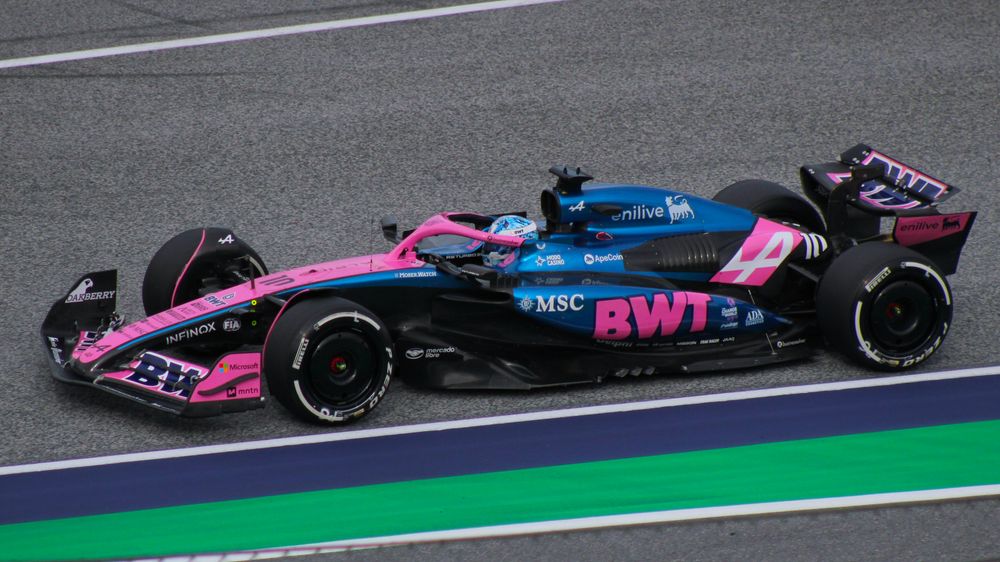
## Helping software teams respond to the demands of car development and trackside operations. NewRedo worked with the Alpine F1 Formula One team based in Enstone, to help improve the agility and responsiveness within its software delivery organisation. The engagement focused on understanding how software supported two critical areas of the organisation: the performance teams responsible for ongoing car development, and the trackside teams responsible for race and test event operations. During a planned discovery phase, we interviewed engineers, software specialists and people working across the design studio and related technical functions. The aim was to understand how work flowed through the organisation, where delays or hand-offs were slowing delivery, and how lean and agile practices could help teams respond more effectively to rapidly changing engineering priorities. The environment was a remarkable example of a high-technology, multi-disciplinary manufacturing organisation. Raw materials entered the factory and were transformed, at pace, into precision Formula One components through advanced machining, fabrication, composites, electronics, aerodynamics and software capability. Unlike many organisations, the effectiveness of this system was tested publicly and repeatedly: every two weeks during the season, the team’s commercial and performance capability was visible live on television.

Home Case Studies Engineering Agility at Alpine Formula One
Engineering Agility at Alpine Formula One

Alpine Formula One Team

Alpine Formula One Team is a globally recognised, high-performance organisation operating in one of the most demanding and competitive technical environments in the world. As a team where engineering precision, rapid iteration and operational excellence are central to success, Alpine relies on dependable technology, effective collaboration and well-executed delivery to support performance on and off the track.

Project Introduction

## Helping software teams respond to the demands of car development and trackside operations. NewRedo worked with the Alpine F1 Formula One team based in Enstone, to help improve the agility and responsiveness within its software delivery organisation. The engagement focused on understanding how software supported two critical areas of the organisation: the performance teams responsible for ongoing car development, and the trackside teams responsible for race and test event operations. During a planned discovery phase, we interviewed engineers, software specialists and people working across the design studio and related technical functions. The aim was to understand how work flowed through the organisation, where delays or hand-offs were slowing delivery, and how lean and agile practices could help teams respond more effectively to rapidly changing engineering priorities. The environment was a remarkable example of a high-technology, multi-disciplinary manufacturing organisation. Raw materials entered the factory and were transformed, at pace, into precision Formula One components through advanced machining, fabrication, composites, electronics, aerodynamics and software capability. Unlike many organisations, the effectiveness of this system was tested publicly and repeatedly: every two weeks during the season, the team’s commercial and performance capability was visible live on television.
Engineering Agility at Alpine Formula One
Project Challenge

Formula One is an intense, time-critical engineering environment. Performance gains are created through many small improvements to the car, each of which must be designed, analysed, manufactured, tested and deployed at pace. Software plays a crucial role in that system, supporting both the development of the car and the team’s ability to understand its behaviour in real time.

The organisation needed its software teams to be more responsive to the needs of two demanding internal customer groups:

  • Performance teams - the engineers and specialists working on continuous improvements to the car, including design changes, performance analysis and the ongoing evolution of the car platform.
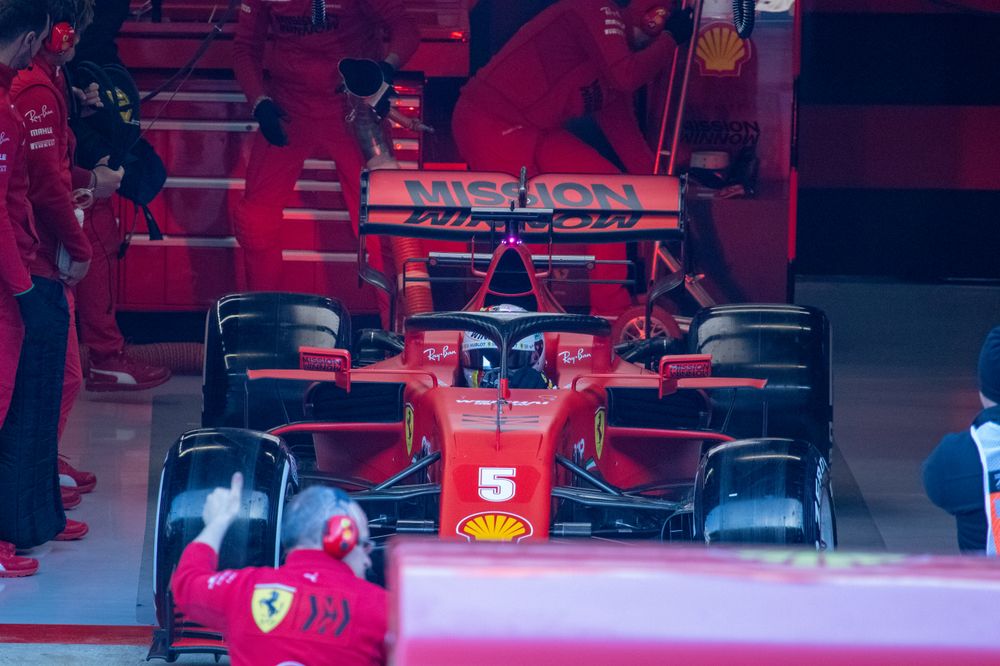
  • Trackside teams - the people travelling to races and test events, collecting telemetry, assessing how the car was performing, and evaluating new parts, revisions and improvements under live conditions.

Both groups operated in an environment where priorities could change quickly, feedback cycles were short, and delays in software delivery could affect engineering decisions. The challenge was to help the software teams align more closely with this fast-moving context, reduce friction in the flow of work, and adopt practical agile and lean approaches that suited the realities of Formula One rather than imposing a generic process model.

Our Solution

NewRedo began by listening. We interviewed a wide range of engineers, software team members and stakeholders across the organisation to build a clear picture of how work was requested, prioritised, developed, tested and delivered. This discovery work helped surface the practical constraints, dependencies and communication patterns that shaped day-to-day delivery.

From there, we helped the teams identify opportunities to improve the flow of work and make delivery more transparent. The focus was on pragmatic agile transformation: improving responsiveness, shortening feedback loops, and helping teams organise around the needs of the people using their software.

The work included:

  • Mapping how software demand originated from performance and trackside teams.
  • Identifying bottlenecks, delays and repeated hand-offs in the delivery process.
  • Helping teams clarify priorities and create better visibility of work in progress.
  • Encouraging lean ways of working to reduce waste and improve flow.
  • Supporting software teams in adopting agile practices that matched the pace and complexity of the engineering environment.
  • Improving the connection between software delivery teams and the engineers relying on their systems.

Rather than treating agile as a set of ceremonies, the engagement focused on the underlying intent: enabling teams to learn faster, respond sooner, and deliver the most valuable work at the right time.

Positive Customer Outcome

The engagement helped the Formula One software organisation better understand how its work supported car performance, trackside decision-making and the wider engineering system. By making work more visible and improving alignment with internal customers, the teams were better placed to respond to changing priorities and deliver software in a way that reflected the pace of the sport.

Key benefits included:

  • Improved understanding of demand across performance and trackside software needs.
  • Greater visibility of priorities, dependencies and work in progress.
  • Better alignment between software teams and the engineers using their systems.
  • More responsive delivery practices suited to a high-pressure, fast-changing environment.
  • A stronger foundation for continuous improvement using agile and lean principles.

The result was a case study in applying agile transformation to a high-performance engineering organisation where responsiveness matters, feedback is immediate, and the effectiveness of the whole system is tested in public throughout the racing season.

Project Skills
workshoping Agile Delivery Management Agile transformation Lean software delivery discovery interviews stakeholder engagement software delivery assessment value stream mapping workflow analysis bottleneck identification work-in-progress visibility prioritisation dependency management continuous improvement feedback loops Fast Feedback engineering collaboration performance engineering support trackside operations support high-pressure delivery complex systems thinking change facilitation Change Management pragmatic agile coaching
Download this case study